
Gum Health
Bleeding Gums Are Not Normal
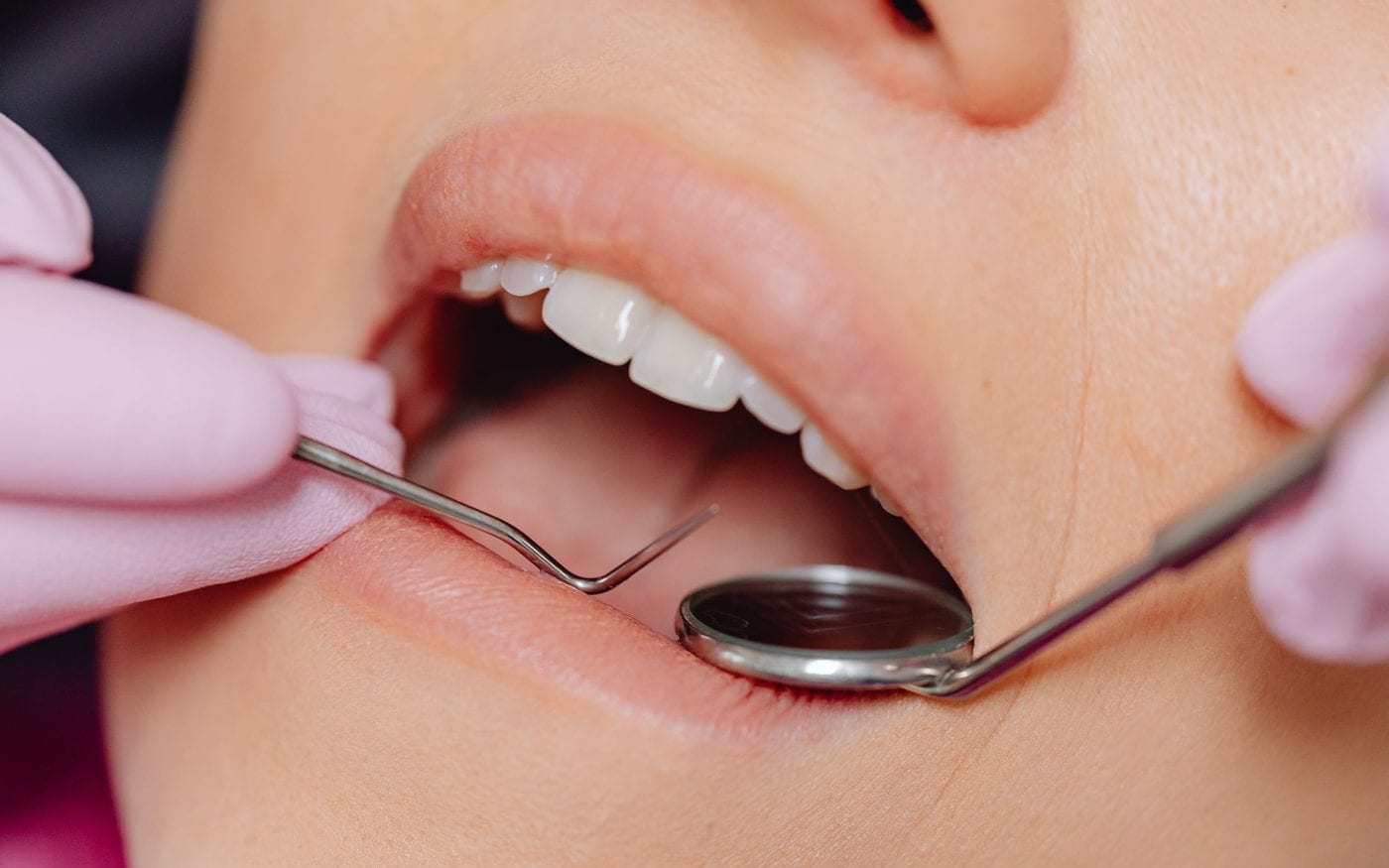
People treat bleeding gums the way they treat a bruise, as something that will settle if left alone. Many respond by brushing that area more gently, which is the opposite of what helps.
Gums bleed because they are inflamed. The inflammation is a response to bacteria sitting along the gum line. Brush the area properly and the bleeding usually stops within a week or two.
Gingivitis is reversible, periodontitis is not
At the first stage, called gingivitis, only the gum is affected. It is red, slightly swollen and bleeds on brushing. A scaling appointment plus proper home care resolves it completely with nothing lost.
If it continues, the inflammation spreads below the gum and starts to destroy the bone holding the tooth in its socket. That stage is periodontitis, and the bone does not grow back. Treatment at that point is about stopping further loss, not recovering what is gone.
This is the single reason we push people to act on bleeding gums early. The window where the problem is fully reversible is not permanent.
What makes it worse
Smoking is the biggest risk factor after plaque itself, and it also masks the warning sign because nicotine constricts the blood vessels in the gum. Smokers often have advanced gum disease with very little bleeding.
Uncontrolled diabetes works in both directions. High blood sugar makes gum disease progress faster, and active gum infection makes blood sugar harder to control. Pregnancy, certain blood pressure medications and vitamin C deficiency all play a part too.
- Plaque and calculus left along the gum line
- Smoking, which also hides the bleeding
- Diabetes that is not well controlled
- Hormonal changes during pregnancy
Signs that it has gone past gingivitis
Persistent bad breath that returns within hours of brushing, gums that have receded so the teeth look longer, a tooth that feels slightly loose, or a change in how your teeth meet when you bite. Pus at the gum margin is a clear sign of active infection.
None of these are subtle once you know to look for them, but they develop slowly enough that people adjust rather than notice.
How it is treated
Early cases need scaling to remove the hardened deposits, followed by a review a few weeks later to check the gums have settled. That is often the entire treatment.
Deeper pockets need root planing, which cleans the root surface below the gum under local anaesthetic. Advanced cases may need laser assisted gum treatment or a small surgical procedure to reach the affected areas. We use a laser for gum work where it suits the case because it reduces bleeding and shortens healing.
In short
- Bleeding means inflammation, not sensitivity, and brushing more gently makes it worse
- Gingivitis is fully reversible, bone loss from periodontitis is not
- Smokers often bleed less while the disease progresses faster
- Scaling plus a review appointment resolves most early cases