
Children
Your Child's First Dental Visit
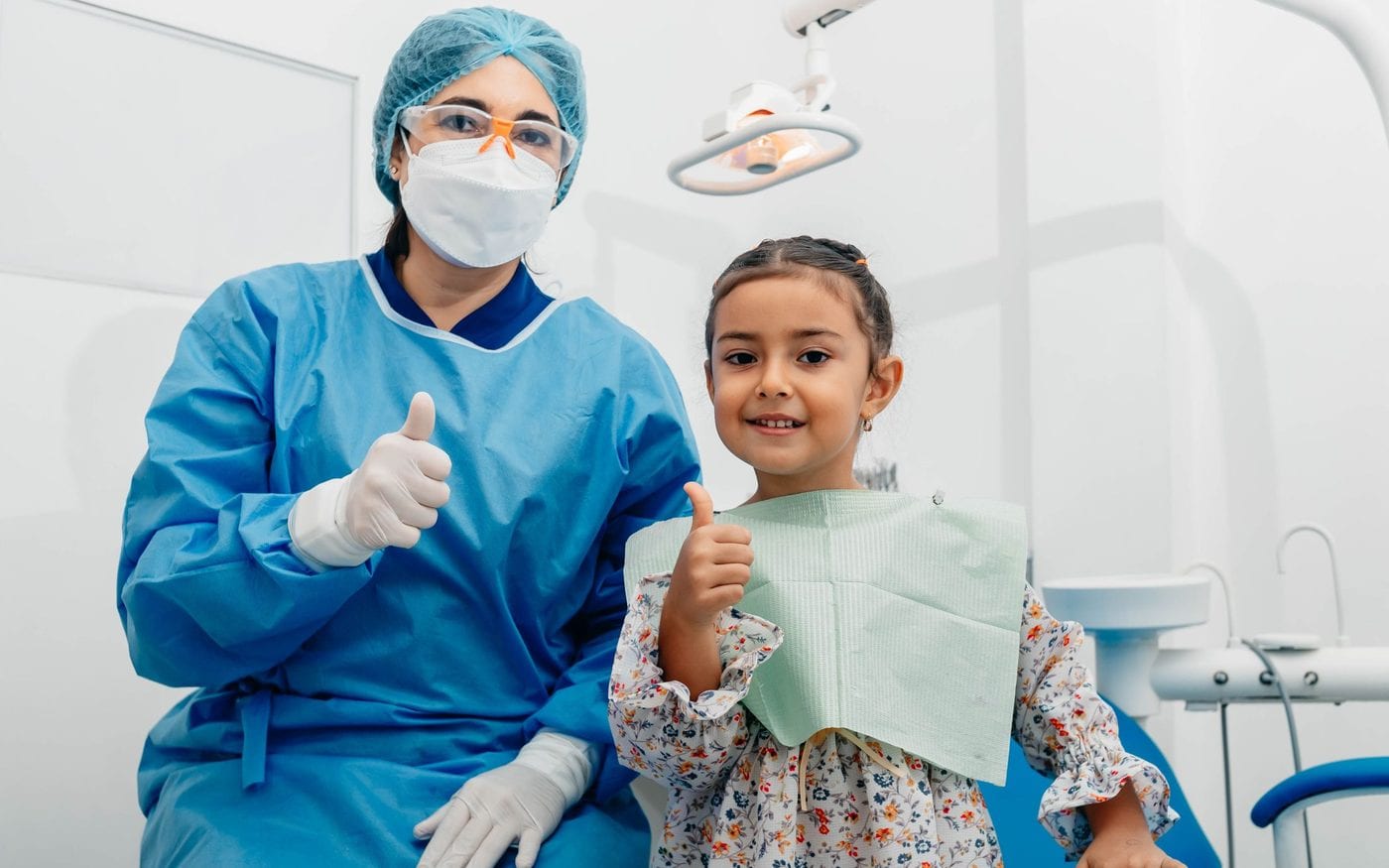
Most children we see for the first time are brought in because something already hurts. That is the hardest possible introduction to a dental clinic, and it shapes how they feel about the chair for years.
The guidance is to come within six months of the first tooth appearing, or by the first birthday, whichever comes sooner. At that age we are not treating anything. We are letting a child sit in the chair, count their teeth and leave with nothing having happened to them.
What the first appointment involves
A short look at the teeth and gums, usually with the child sitting on a parent's lap for the youngest ones. We check how the teeth are coming through, look for early white spot lesions, and talk to you about feeding, bottle use and brushing.
There are no instruments beyond a mirror unless something needs attention. The whole point is that the child leaves having enjoyed it.
How to prepare them
Keep your own history out of it. Children pick up far more from tone than from words, and a parent who is visibly tense teaches fear faster than any procedure could.
Avoid promising it will not hurt, because that plants the idea that it might. Do not use the dentist as a threat for not brushing. Describe it as someone who counts teeth and checks they are strong.
Morning appointments work better than late afternoon ones. Tired children have no patience for anything new.
- Book a morning slot when they are fresh
- Describe the visit in plain, neutral terms
- Avoid the words hurt, pain, injection and drill
- Let them bring a familiar toy if it helps
Milk teeth matter more than people think
The idea that baby teeth do not need treatment because they will fall out anyway is one we spend a lot of time correcting. Milk teeth hold space for the permanent teeth forming above them. Lose one early and the neighbouring teeth drift into the gap, so the adult tooth arrives with nowhere to go. That is a large share of the crowding we later treat with braces.
Decay in a milk tooth also causes the same pain, infection and lost sleep as decay in an adult tooth, and the infection sits directly above the developing permanent tooth.
Prevention that works at this age
Fluoride varnish takes two minutes and measurably reduces decay in young children. Pit and fissure sealants close the deep grooves on the biting surface of the first permanent molars, which arrive around age six and are the teeth most likely to decay.
Both are quick, need no anaesthetic and cost a fraction of the fillings they prevent. If your child is at the age for either, we will raise it.
In short
- First visit by the first birthday, before anything is wrong
- Keep your own dental anxiety out of the conversation
- Milk teeth hold space for adult teeth and are worth treating
- Varnish and sealants prevent far more than they cost